
What Is a Mortise Lock and Why Do Commercial Doors Depend on It
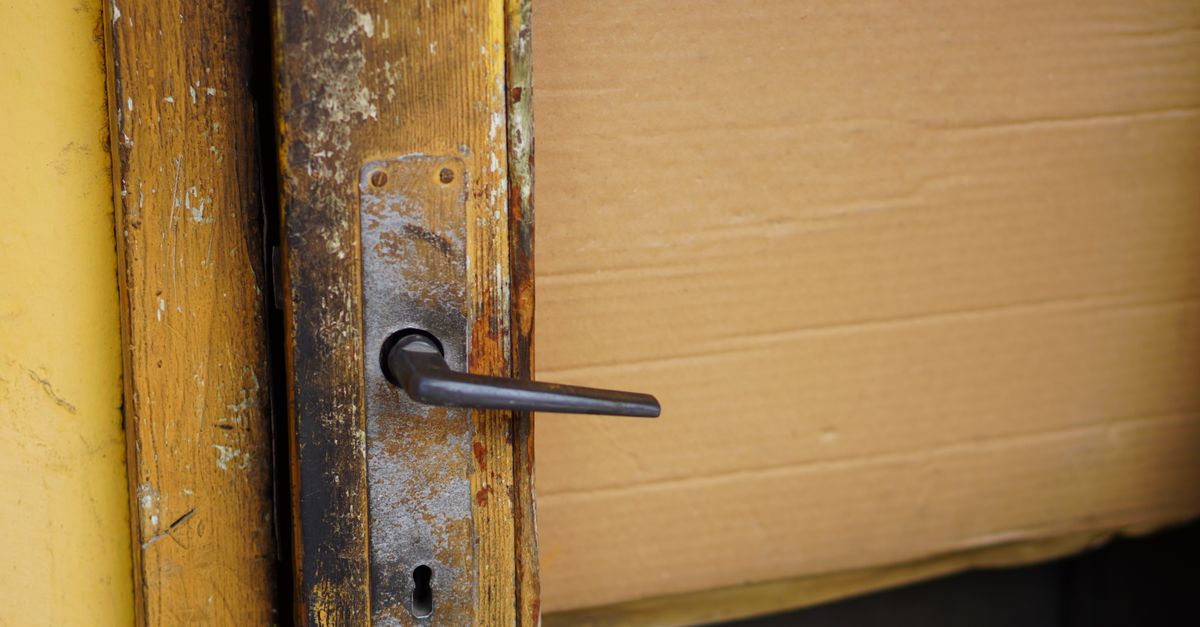
A mortise lock is a complete locking assembly that is recessed into a rectangular cavity — the mortise — routed into the edge of the door. Because the body of the lock is embedded rather than surface-mounted, it cannot be pried away from the door face the way a simple deadbolt can. The lock body typically houses a latch bolt, a dead bolt, and in many commercial models an auxiliary dead latch that prevents shimming. A separate mortise lock cylinder screws into the face of the assembly, meaning the cylinder itself can be replaced or re-keyed without removing the entire unit from the door — a major operational advantage for businesses that change staff regularly. On an exterior door mortise lock set, that cylinder is usually paired with a thumb turn or lever trim on the interior side, creating a true two-point locking action backed by a heavy-duty strike that absorbs repeated punishment from foot traffic.
Commercial-grade mortise hardware is specified by door manufacturers precisely because it tolerates tens of thousands of daily cycles. Brands like Corbin Russwin and Baldwin mortise lock lines are engineered to ANSI/BHMA Grade 1 standards — the toughest classification in the industry — and are routinely specified for hospitals, schools, and multi-tenant office buildings. Our technicians work with these product lines daily and carry common replacement components in our service vans so most repairs are completed on the first visit, whether the call comes in during a Tuesday morning rush or late on a Friday night.