Why Home Rekeying and Lock Changes Matter More Than Most Homeowners Realize
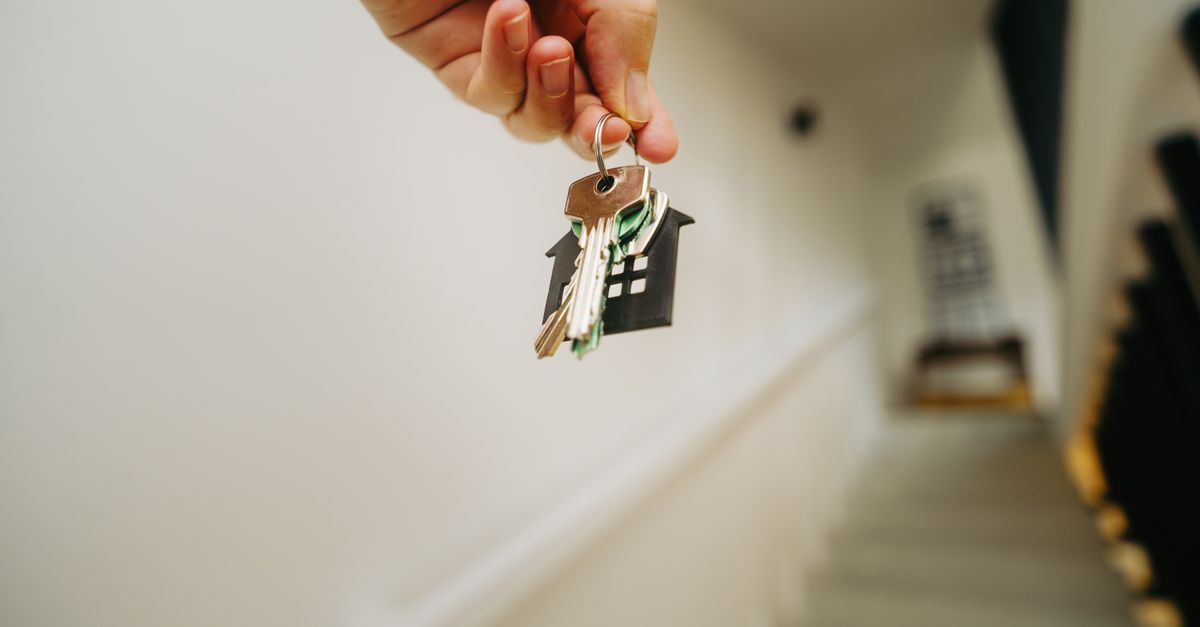
Many Wilmington residents assume that a deadbolt is secure simply because it looks intact. The real vulnerability is key history — every landlord, contractor, house-sitter, dog walker, or previous owner who ever held a copy of your key still holds access unless the cylinder has been physically reconfigured. In a city where neighborhoods like Trolley Square, Alapocas, and Little Italy sit close together and foot traffic is steady year-round, the risk of an old key circulating is not theoretical. Rekeying eliminates that risk entirely without requiring you to purchase new hardware, making it the logical first step after any change in occupancy or after a key goes missing.
The process differs depending on the lock type. A standard Kwikset door knob lock or a Schlage deadbolt involves removing the cylinder, swapping the driver and key pins to match a new key code, and reinstalling everything — usually in under ten minutes per lock. A mortise lock, which is common in older Wilmington rowhouses and brownstones built before 1970, requires more detailed disassembly because the lock body is recessed into a pocket cut into the door edge. Our technicians are specifically trained on mortise lock mechanisms, which have more components than a cylindrical lock and demand careful handling to avoid damaging the door or the case itself. When we rekey a mortise lock, we work damage-free wherever the existing hardware allows, preserving original ironwork that often has real historical or aesthetic value.